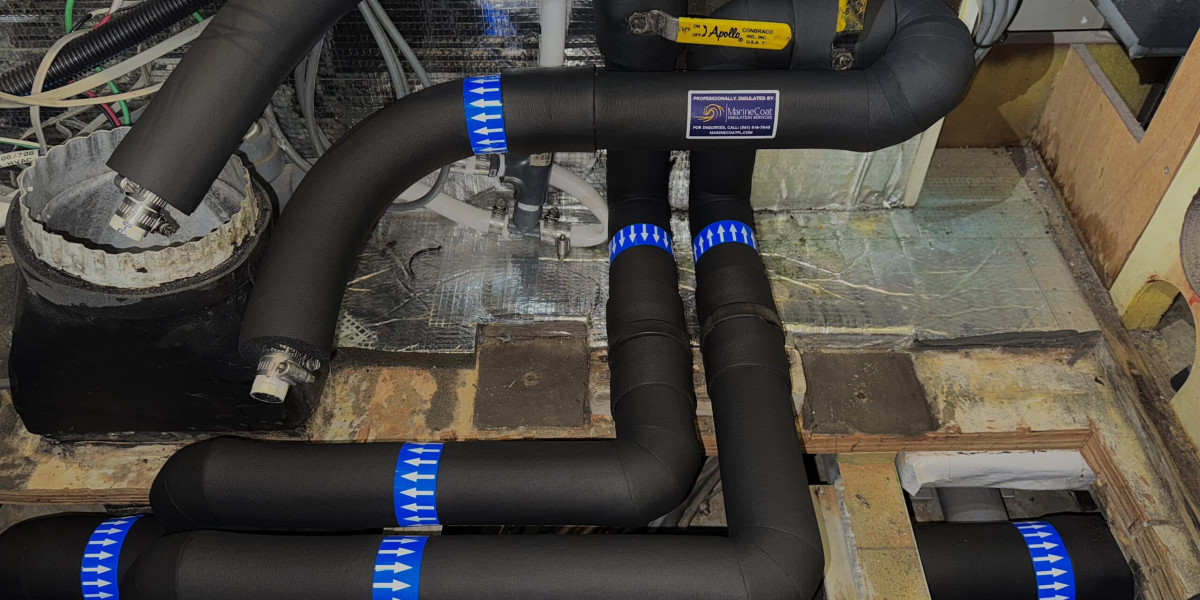

A tranquil voyage depends on more than smooth navigation and elegant interiors. Acoustic refinement plays a decisive role in creating a serene maritime environment. Marine Noise Insulation and Marine soundproofing techniques help transform vessels into peaceful retreats by limiting vibrations, machinery reverberations, and external disturbances. Modern marine engineering increasingly focuses on sophisticated acoustic solutions that enhance comfort without compromising structural integrity. From luxury yachts to commercial vessels, carefully designed sound-control systems provide passengers with a calmer atmosphere, allowing them to experience the ocean without the intrusion of mechanical resonance and environmental clamor.
Understanding the Fundamentals of Marine soundproofing
Marine environments present unusual acoustic challenges because vessels contain numerous vibration-producing components. Engines, generators, propulsion systems, ventilation units, and water turbulence generate complex sound patterns that travel through metallic structures. Unlike conventional buildings, ships require specialized approaches because every surface can transmit oscillations.
Effective Marine soundproofing begins with identifying the primary noise sources and understanding how vibrations migrate throughout the vessel. Acoustic specialists analyze frequency ranges, structural pathways, and material responses before developing customized solutions. This analytical approach ensures that sound reduction strategies address the actual origins of unwanted noise rather than simply masking the symptoms.
Marine Noise Insulation Principles for Enhanced Comfort
A successful Marine Noise Insulation strategy combines multiple protective layers that absorb, block, and dissipate acoustic energy. Engineers commonly incorporate resilient barriers, vibration-dampening compounds, and specialized panels to interrupt sound transmission.
The placement of insulating materials is equally important. Engine compartments, crew quarters, entertainment areas, and sleeping cabins often require different acoustic treatments because each location experiences unique sound exposure. Properly positioned insulation creates separation between noisy mechanical zones and quiet living spaces.
Advanced materials such as composite acoustic foams, mass-loaded barriers, and elastomeric coatings provide exceptional performance in marine applications. These components are engineered to withstand humidity, temperature variations, and constant movement while maintaining their acoustic properties.
Structural Approaches to Reducing Vessel Vibrations
Vibration control represents a significant aspect of maritime acoustic engineering. Mechanical vibrations can travel through hull structures, producing low-frequency sounds that are difficult to eliminate. Designers often use floating floor systems, resilient mounts, and flexible connectors to reduce transmission pathways.
A carefully engineered vibration-control framework complements Marine Noise Insulation by preventing energy from spreading across the vessel. Instead of allowing machinery movements to resonate through walls and decks, these solutions isolate mechanical disturbances at their origin.
Hull construction also influences acoustic performance. Multi-layered structures with damping materials can minimize resonance while preserving durability. Strategic reinforcement techniques allow vessels to maintain strength while achieving superior acoustic refinement.
Advanced Marine soundproofing Materials and Technologies
Modern Marine soundproofing relies on innovative materials designed specifically for demanding maritime conditions. Traditional insulation methods may deteriorate when exposed to saltwater environments, making specialized products essential.
Acoustic membranes are among the most effective solutions because they provide dense barriers without excessive weight. Lightweight composite panels also contribute to noise reduction while supporting fuel efficiency by avoiding unnecessary structural additions.
Another emerging technology involves active noise-control systems. These electronic solutions detect unwanted frequencies and generate opposing sound waves to reduce perceived noise levels. When combined with passive insulation methods, active systems create a highly refined acoustic environment.
Designing Quiet Interiors Through Acoustic Planning
Interior design has a substantial influence on onboard acoustics. Furniture placement, flooring materials, wall treatments, and ceiling structures can either enhance or weaken sound-control efforts.
Luxury vessels frequently integrate acoustic fabrics, decorative wall panels, and vibration-resistant fixtures to achieve sophisticated silence. These elements provide functional benefits while maintaining aesthetic appeal.
Professional acoustic planning considers the entire vessel as an interconnected environment. A quiet cabin cannot be achieved effectively if surrounding mechanical spaces remain untreated. Comprehensive solutions evaluate every compartment to create balanced acoustic performance throughout the ship.
Maintenance Practices for Long-Term Acoustic Performance
Maintaining acoustic systems is essential for preserving their effectiveness over years of operation. Moisture exposure, material fatigue, and mechanical modifications can gradually reduce sound-control efficiency.
Regular inspections help identify damaged barriers, loose mounting systems, or deteriorating insulation layers. Replacing compromised components early prevents larger acoustic problems from developing.
Owners and operators should also consider acoustic performance during vessel upgrades. Installing new machinery without evaluating vibration effects can undermine previous improvements. Coordinated maintenance planning ensures that every modification supports the vessel’s quiet environment.
Environmental Benefits of Quieter Maritime Travel
Noise reduction provides advantages beyond passenger comfort. Excessive underwater and onboard noise can affect marine ecosystems and human well-being. Quieter vessels contribute to more responsible maritime practices by reducing unnecessary acoustic pollution.
Commercial operators increasingly recognize that refined acoustic engineering can improve customer satisfaction, crew efficiency, and operational quality. A calmer onboard atmosphere allows passengers to rest more effectively and helps crew members perform duties in a less stressful environment.
The evolution of maritime technology continues to encourage smarter approaches to acoustic management. Future vessels are expected to incorporate advanced composites, intelligent monitoring systems, and adaptive noise-control solutions for even greater refinement.
Selecting the Right Acoustic Strategy for Different Vessels
Every vessel requires a customized acoustic blueprint because size, purpose, construction style, and operating conditions vary significantly. A fishing boat, research vessel, cruise ship, and private yacht each present different acoustic obstacles.
Experts typically begin with a detailed assessment involving sound measurements, vibration analysis, and structural evaluation. This information guides decisions regarding materials, placement techniques, and installation procedures.
A balanced approach combines Marine Noise Insulation with vibration reduction, interior optimization, and ongoing technical evaluation. This integrated methodology creates a durable acoustic environment rather than a temporary reduction in noise.
Investing in professional acoustic design also increases vessel value. Buyers increasingly appreciate refined interiors, smooth operation, and enhanced comfort, making effective sound-control solutions an important feature in modern marine craftsmanship.
A silent voyage represents the harmony between engineering precision and passenger comfort. Through advanced materials, intelligent design, and careful installation, Marine soundproofing creates a refined maritime experience where mechanical activity remains discreet and relaxation becomes the central focus. When supported by reliable Marine Noise Insulation, vessels achieve remarkable acoustic balance, allowing travelers to enjoy the ocean’s natural tranquility without disruptive background noise.